Related
-
 Insight 18 Mar 2025
Investigating parent views on teen use of Generative AI
-
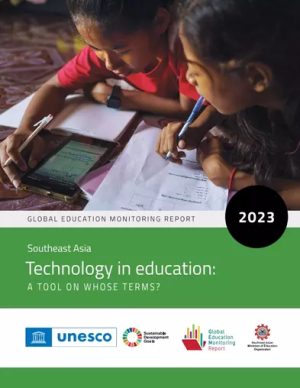 Publication 11 Dec 2023
Assessing the edtech landscape for UNESCO
-

-



New evidence-based guidance on screen time for children and adolescents recommends that among school-aged children, actively managing device use is the best course to build a normalised, lifelong relationship with technology.
Developed by CEI with the Singapore Government, the publicly available Positive Use Guide on Technology and Social Media offers practical tips and checklists for parents, children and young people (aged 7-18). The Guide was developed based on an extensive review of research evidence, and following consultation with mental health and media professionals.
“In today’s fast-changing technological landscape, there are many divided opinions about whether, when, and how devices should be introduced to children and adolescents,” says CEI Associate Director Dr Jean Liu, who co-authored the guide.
“While some parents might be tempted to ban access to devices, others give devices to children without guardrails. The evidence points to a balanced approach as a practical way forward.”
“Just as we guide children in stages before letting them navigate the physical world, we also need to guide them in navigating their digital lives.”
The guide cites global research findings from over 2,400 studies and almost two million children and adolescents, showing screen use has both positive and negative outcomes. Further, screen use has a less significant role in wellbeing than other factors such as lifestyle habits or parenting styles.
However, research also identifies that a subset of children and teens will use devices in problematic ways, which some experts liken to addiction. These young people can become overly focused on screentime, to the point where they neglect schoolwork, friendships, other activities or self-care, or where they experience ‘withdrawal’ symptoms or the feeling they are unable to control themselves or be satisfied.
Researchers estimate that in under-25s:
For these young people, device use disproportionately affects wellbeing: they have two to three times greater odds of experiencing depression, anxiety, stress and poor sleep quality, compared to same-age peers.
The Positive Use Guide identifies the signs of problematic device use, and offers a self-check worksheet which can be used by anyone to reflect on how devices might be enriching our lives or interfering with our goals.
“It’s important to establish healthy relationships with our devices and avoid potential harms,” says Jean.
“We want to support our children and adolescents as they grow into adult life, helping them become resilient individuals who can manage their devices as part of living good and fulfilling lives.”
The guide brings together analysis of approximately 300 research papers, policy documents, reports, and media articles, with the views of expert organisations (including the Singapore Media Literacy Council) and 15 mental health professionals who work with children and adolescents in Singapore.
The guide builds on existing resources developed by the Singapore Government, such as the Ministry of Health’s Guidance on Screen Use in Children (2025).
The Positive use guide: Evidence-based insights on the impact of digital devices on child and adolescent wellbeing was authored by CEI Associate Director Dr Jean Liu and Research Assistant Euclea Tan, for the Singapore Ministry of Digital Development and Information, the Singapore Ministry of Education, the Singapore Ministry of Health and the Singapore Ministry of Social and Family Development.
The guide is available for download HERE