Related
-
 Publication 19 Aug 2024
Offering better guidance for youth participation in research and evaluation
-
 Publication 13 Jun 2023
Report: Participatory grantmaking - Building the evidence
-


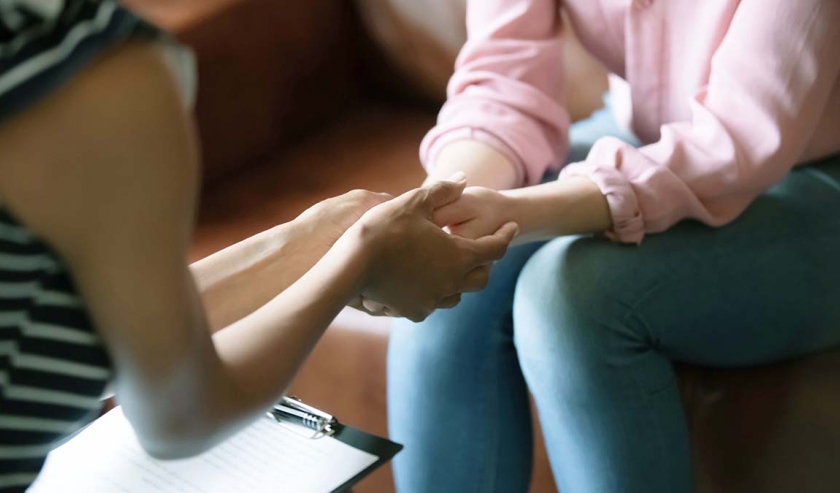
Leading research funder Wellcome has commissioned a team comprising CEI, the Global Mental Health Peer Network (GMHPN) and Lived Experience and academic experts to investigate how, why and under what conditions lived experience collaborations have impact in mental health research.
“Across health, social services and other fields, lived experience collaboration in research has expanded rapidly in recent times,” explains Associate Director in CEI’s UK office, Dr Katie Young. “Collaborative, participatory and co-design initiatives hold the promise of fairer, more equitable and ethical decision-making, better outcomes and accelerated research impact.”
“At GMHPN, we have seen first-hand when lived experience engagement goes beyond collaboration and becomes co-leadership, research becomes more realistic, grounded in real-world priorities and a lot more relevant and impactful,” says Claudia Sartor, Deputy CEO at GMHPN.
“Being trusted as equal partners in co-leadership and decision-making is what makes lived experience collaboration meaningful,” says Edwin Mutura, Communications & Services Officer at GMHPN. “It is in these shared spaces of power, where our insights guide governance, shape priorities, and influence design, that research becomes truly relevant.”
“For those of us with lived experience, co-creation is more than participation. It is evidence that our voices can lead to solutions that meet actual needs and drive lasting impact.”
But many questions remain about how best to achieve meaningful collaboration and engagement that results in real, lasting impact.
There is a paucity of good data and practical models to guide teams in planning and carrying out their projects. Moreover, an absence of clear guidance or a lack of adequate resourcing, training or support risks tokenistic or transactional interactions – or worse, actual harm for the Lived Experience representatives involved.
This where the project “Lived experience impact, learning and improvement in mental health science” breaks new ground. This three-year collaboration will develop a theory of impact, test this in the field, and then apply the results in developing best-practice guidance on how to meaningfully embed lived experience collaboration and evaluate its impact.
Co-creation with Lived Experience experts is core to the project. Every aspect is led by a collaborative team of researchers and Lived Experience experts – including co-leadership and governance of all activities, co-design and co-production of outputs, facilitation of wider partner consultation events with additional Lived Experience contributors, and generation of accessible versions of the best-practice guidance.
The team is using realist evaluation (investigating what works, for whom, in what contexts and why) to:
“Our goal is to use rigorous theory-based methods to develop practical, evidence-based guidance. We want to identify and describe approaches that encourage best practice and overcome challenges for effective and meaningful collaboration,” says Katie.
“We hope this project will add to the growing, global body of knowledge about lived experience collaboration, and will bolster the design, delivery and outcomes of mental health research for years to come.”
“Lived experience has consistently shown that meaningful collaboration is not a destination but a journey, a process that calls for continuous improvement,” says Edwin. “What feels relevant today may shift tomorrow, which is why we must keep listening, learning, and adapting. By evolving our approaches, we can ensure that research remains connected to reality, responsive to changing needs, and impactful in ways that matter.”
Most recently, the team has developed a “Building Workshops for Lived Experience Collaboration” guide – based on early experiences and reflections on their own practice – to provide practical advice for others who may be planning and hosting online workshops.
Download the workshops guide HERE
The “Lived experience impact, learning and improvement in mental health science” project is commissioned by Wellcome, and brings together researchers with expertise in complex evaluations and mental health from CEI, Lived Experience experts from the Global Mental Health Peer Network (GMHPN), independent Lived Experience consultants with extensive backgrounds in participatory involvement and mental health research, and academic consultants from the Universities of Oxford and Hertfordshire (with expertise in global mental health and equity, and patient and public involvement).